The Complete Guide to Technical & Skilled Trades Hiring in Ontario
Technical and skilled trades hiring in Ontario has become a critical workforce priority for manufacturers, industrial facilities, engineering firms, and other employers that depend on specialized talent. Competition for experienced tradespeople, an aging workforce, and the challenge of replacing retiring workers can make certified skills difficult to secure. Employers also need enough workforce flexibility to respond to shutdowns, maintenance requirements, production changes, and long-term growth. Effective hiring therefore requires more than filling vacancies. It requires choosing the right mix of contract and permanent talent.
Why Skilled Trades Hiring Is Getting Harder in Ontario


Ontario employers are competing for a limited pool of experienced tradespeople across manufacturing, maintenance, construction, infrastructure, and other industrial environments. As long-serving workers retire, replacing their practical knowledge and technical expertise can be difficult, particularly for positions requiring specific certifications, licences, or extensive plant experience.
Competition can become especially intense for Red Seal tradespeople and candidates who combine formal qualifications with experience in specialized equipment or industrial settings. For employers, successful skilled trades staffing in Ontario increasingly requires proactive recruitment rather than waiting until a critical vacancy appears.
Explore Winters’ industry-specific recruitment solutions for specialized hiring support.
The Cost of Unfilled Technical and Trades Positions
A skilled trades vacancy can affect far more than headcount. When maintenance, production, or technical positions remain open, employers may face maintenance backlogs, delayed projects, increased overtime, and additional pressure on existing employees.
In manufacturing environments, insufficient maintenance coverage can also make it harder to complete preventive work or respond quickly to equipment issues. During shutdowns and other time-sensitive projects, a shortage of qualified tradespeople can put schedules at risk.
For employers managing industrial hiring in Ontario, time-to-hire therefore needs to be considered alongside candidate quality, technical qualifications, and long-term workforce requirements.
Core Skilled Trades Employers Recruit for in Ontario



Ontario’s industrial economy depends on tradespeople who install, maintain, troubleshoot, repair, and fabricate the equipment and systems that keep operations moving. Hiring requirements vary by facility, but several skilled trades are particularly important to manufacturing and industrial employers.
Millwrights
Industrial millwrights install, maintain, troubleshoot, and repair machinery and mechanical equipment. Millwright staffing may be required for ongoing plant maintenance, equipment installations, shutdowns, expansions, or permanent maintenance-team vacancies.
Electricians and Instrumentation Technicians
Industrial electricians and instrumentation professionals support electrical systems, controls, equipment, and automated processes. Effective industrial electrician staffing requires careful attention to licensing, technical experience, and the requirements of the specific work environment.
Welders and Fabricators
Welders and fabricators support manufacturing, equipment repair, structural work, custom fabrication, and other industrial operations. Welder staffing requirements can vary significantly according to process, materials, certifications, and the type of work being performed.
Employers can explore Winters’ broader industry staffing solutions for manufacturing, technical, and skilled trades recruitment.
Choosing Between Contract and Permanent Trades Staffing


The right staffing model depends on why an employer needs additional talent, how long that requirement is expected to last, and whether workforce demand is predictable.
Contract Staffing for Project Work
Contract staffing gives employers the ability to add qualified workers for defined requirements such as shutdowns, equipment installations, maintenance projects, production increases, or temporary workforce gaps. It can help organizations scale labour according to operational demand without treating every short-term requirement as a permanent hire.
Learn more about Winters’ contract staffing solutions.
Permanent Recruitment for Stability
Permanent hiring is better suited to positions that form part of an employer’s long-term workforce plan. Experienced tradespeople can provide continuity, strengthen internal knowledge, and support ongoing maintenance and production requirements.
Explore our permanent staffing solutions for long-term recruitment needs.
Many employers ultimately use both approaches, creating a core permanent workforce supported by contract talent when requirements increase.
Certification and Compliance Considerations in Ontario
Technical recruitment involves more than identifying candidates with similar job titles. Employers need to confirm that applicants have the qualifications required for the specific trade and work being performed.
Depending on the position, this may include verifying applicable trade certifications, licences, Red Seal endorsements, safety credentials, and relevant industrial experience. Employers should also distinguish between credentials that are legally required for a particular scope of work and qualifications they prefer based on their own operational standards.
Careful verification during recruitment helps ensure candidates are being assessed against the actual technical and compliance requirements of the role.
How to Evaluate a Skilled Trades Staffing Agency


A strong staffing partner should understand the difference between general recruitment and specialized technical recruitment. Employers should consider the agency’s experience with industrial and technical roles, candidate-screening process, understanding of trade qualifications, and ability to support both immediate and long-term hiring requirements.
It is also important to evaluate flexibility and responsiveness. Can the recruiter support contract and permanent positions? Do they understand plant environments and specialized technical requirements? How thoroughly are candidates screened before referral?
The objective should be more than receiving resumés. Employers need candidates whose qualifications and experience align with the work that actually needs to be done.
Skilled Trades Hiring Across Toronto, Ajax, and the GTA
Winters Technical Staffing supports employers across Toronto, Ajax, the GTA, and communities throughout Ontario through our specialized recruitment network. Since 1972, Winters has worked with Canadian employers to recruit technical, manufacturing, industrial, and skilled trades professionals for changing workforce requirements.
Our recruitment teams help organizations access qualified candidates for contract and permanent positions while providing hiring support tailored to each employer’s operational needs.
Comparing Staffing Models for Skilled Trades Employers
Contract and permanent recruitment are not competing approaches. Each solves a different workforce problem, and some employers benefit from combining them.
Contract staffing can provide flexibility for projects, shutdowns, production peaks, and temporary requirements. Permanent hiring can strengthen continuity, retention, and internal expertise. A hybrid model can give employers the stability of a core permanent team while providing access to additional skilled workers as operational demands change.
The right approach depends on workforce requirements, project timelines, hiring urgency, and long-term operational goals.
Millwrights: Recruitment Challenges and Solutions

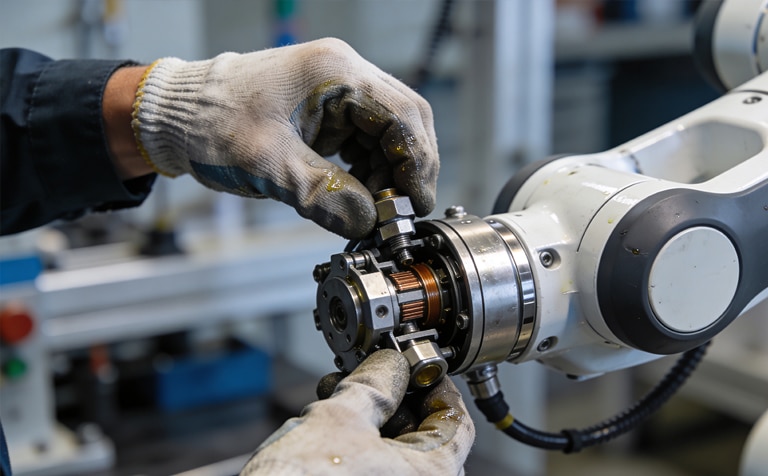

Industrial millwrights play an essential role in keeping machinery, production equipment, and mechanical systems operating reliably. Finding experienced candidates can be challenging when employers require trade certification combined with practical knowledge of plant equipment, maintenance procedures, troubleshooting, or installation work.
Demand can become particularly urgent during shutdowns, expansions, equipment installations, and periods when maintenance teams are already working at capacity. Employers planning millwright staffing should consider future requirements before vacancies or major projects create an immediate labour need.
Winters supports employers seeking qualified millwrights for contract and permanent positions. Learn more about our Red Seal millwright staffing solutions.
Industrial Electricians: Meeting Growing Demand
Manufacturing facilities increasingly rely on automated equipment, electrical controls, sensors, drives, and interconnected production systems. As these environments become more technically complex, employers need industrial electricians who can maintain, troubleshoot, and support both electrical equipment and modern plant systems.
Effective industrial electrician staffing requires more than matching a candidate to a job title. Recruiters need to consider licensing, industrial experience, equipment knowledge, and the specific responsibilities of the position. Verifying required qualifications early in the recruitment process can help employers focus their time on candidates suited to the work.
Explore Winters’ industrial electrician staffing solutions for manufacturing and industrial employers.
Welders and Fabricators: Addressing the Skills Gap


Welders and fabricators support production, equipment repair, custom fabrication, structural work, and many other industrial requirements. Recruiting can become difficult when employers need candidates with experience in particular welding processes, materials, equipment, or work environments.
For this reason, effective welder staffing starts with defining the technical requirements of the position rather than searching broadly for anyone with welding experience. Certifications and practical experience should be evaluated according to the work being performed.
Employers that anticipate future fabrication requirements can begin recruiting before production increases, projects, or workforce departures create urgent vacancies.
Automation and Modernization Are Changing Trades Workforce Needs
Automation is changing the skills manufacturers need from their trades workforce. Millwrights and electricians increasingly work alongside robotics, automated production equipment, controls, sensors, and computerized maintenance systems.
As facilities modernize, traditional mechanical and electrical expertise remains important, but workers may also need experience troubleshooting interconnected equipment and supporting more sophisticated production technology.
Employers should consider these changing requirements when planning future hires. Existing employees can also benefit from training and cross-skilling that expands their ability to work with newer systems. Combining recruitment with workforce development can help organizations prepare for modernization without relying entirely on external hiring.
Seasonal and Project-Based Hiring Considerations

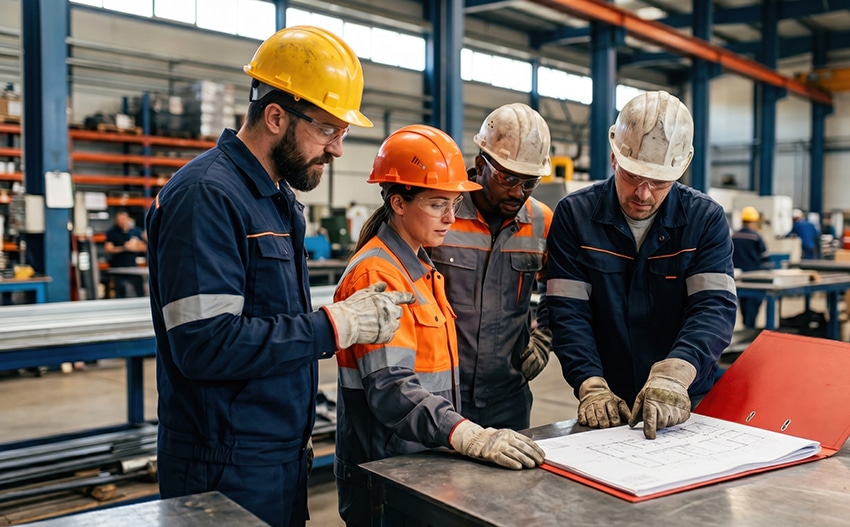
Industrial workforce requirements do not always remain consistent throughout the year. Production peaks, planned shutdowns, maintenance programs, equipment installations, facility expansions, and large customer orders can all create temporary demand for additional skilled workers.
For employers managing these fluctuations, contract trades staffing can provide additional capacity without making every temporary requirement a permanent position. Planning is particularly important when multiple employers are competing for similar tradespeople during common shutdown or maintenance periods.
Where schedules are known in advance, starting recruitment early can provide more time to identify candidates and assess their qualifications before work begins.
Workforce Planning Strategies for Trades-Dependent Employers
Effective industrial hiring in Ontario requires employers to look beyond today’s vacancies. Workforce planning can help identify positions that may become difficult to fill because of retirements, business growth, changing technology, or limited internal succession.
Employers can begin by forecasting expected hiring needs, identifying roles where specialized knowledge is concentrated among a small number of employees, and developing cross-training opportunities where appropriate. Succession planning is particularly valuable when experienced tradespeople hold knowledge that may be difficult to replace quickly.
A flexible recruitment strategy can then combine permanent hiring with temporary or contract support. Explore Winters’ business staffing solutions for additional workforce options.
The Role of Pre-Screening in Reducing Bad Hires


A resumé may identify a candidate’s trade and work history, but it does not always establish whether that person meets the specific technical requirements of a position.
Pre-screening gives employers an opportunity to verify applicable licences, certifications, experience, and job-specific qualifications before candidates advance through the hiring process. Recruiters can also assess whether an applicant’s background aligns with the equipment, environment, shift requirements, and responsibilities involved.
For specialized technical recruitment in Ontario, this additional screening helps employers focus interviews on candidates whose qualifications more closely match the position.
When to Use a Staffing Agency Instead of Recruiting Directly
Direct recruitment gives employers control over sourcing, screening, interviewing, and hiring, and it can work well when internal teams have the time and candidate reach required for the position.
A specialized staffing agency adds recruitment capacity and access to established candidate networks while managing initial screening and qualification checks. This can be particularly useful for difficult-to-fill trades or time-sensitive requirements.
The two approaches can also work together. Employers may continue recruiting directly while using skilled trades staffing in Ontario to broaden candidate reach or address positions requiring specialized recruitment expertise.
Building a Long-Term Trades Workforce Strategy



A strong trades workforce strategy balances immediate hiring requirements with future operational needs. Permanent employees can provide continuity, institutional knowledge, and long-term technical expertise, while contract workers can add capacity during projects, shutdowns, production increases, and temporary skill shortages.
Employers can use this combination to build a stable core workforce without losing the ability to respond when labour requirements change.
The appropriate balance will depend on production schedules, anticipated retirements, maintenance requirements, project pipelines, and the availability of qualified tradespeople.
Continue Building Your Trades Workforce
Skilled trades hiring is an ongoing workforce challenge, not simply a response to individual vacancies. Planning ahead, understanding role-specific requirements, and choosing the right staffing model can help employers build a more adaptable technical workforce.
Request Skilled Trades Staffing Support to discuss your current or upcoming hiring requirements.